






Installable Web Experience
Users can add a supported PWA to their device for quicker access without going through a conventional app installation flow.
Build a web application that gives users the accessibility of the web with the functionality expected from a modern app. At The Apps Developers, we develop Progressive Web Apps (PWAs) for startups and businesses that need responsive, installable, and reliable digital products across mobile, tablet, and desktop.
Discuss Your PWA Project →We select technologies according to your application's requirements, existing infrastructure, and long-term development needs.
We build PWAs with responsive interfaces, app-like functionality, offline capabilities, push notifications, API integrations, and secure backend connectivity. Our progressive web app development services cover development, testing, deployment, and ongoing maintenance for new and existing web products.
We develop custom Progressive Web Apps around your product requirements rather than forcing your business into a predefined template. The application architecture, interface, features, integrations, and workflows are planned around how your users interact with the product.
We design responsive interfaces for mobile, tablet, and desktop environments, with navigation and interactions suited to an app-like web experience. The design process considers user journeys, information architecture, accessibility, and the workflows users need to complete.
Already have a website or web application? We can assess its architecture and determine where PWA capabilities can improve the existing experience. Migration may include responsive improvements, service worker implementation, caching, installability, and other functionality where appropriate.
A PWA often needs to work with more than its frontend. We connect applications with existing backends, databases, REST APIs, GraphQL APIs, authentication systems, payment gateways, CRM platforms, ERP systems, and other third-party services.
Performance depends on more than page size. We optimize the application architecture, assets, caching strategy, network requests, rendering, and resource loading to create a responsive experience across different devices and network conditions.
We test functionality, responsive behavior, browser compatibility, network conditions, authentication, integrations, performance, and security before deployment. Testing is planned around the actual environments in which your users will access the application.
After launch, your application still needs updates, monitoring, bug fixes, performance improvements, security updates, and feature changes. Our ongoing support helps keep the PWA aligned with changing business and user requirements.
A Progressive Web App combines established web technologies with capabilities that make the experience more application-oriented. We select and implement these capabilities based on the product rather than adding features simply because they are available.
Users can add a supported PWA to their device for quicker access without going through a conventional app installation flow.
Service workers and appropriate caching strategies can allow users to access selected content or continue supported workflows when connectivity is unavailable.
Where browser and operating-system support allows it, push notifications can deliver reminders, updates, alerts, and other timely information to users.
The application adapts its layout and interaction patterns across smartphones, tablets, laptops, and desktop screens.
Service workers can handle tasks such as caching, network request management, offline experiences, and certain background capabilities.
A web app manifest provides information that supports installation and the application's presentation when launched as an installed experience.
For suitable workflows, background synchronization can help defer certain network-dependent actions until connectivity is available again.
We implement authentication and authorization around the application's requirements, including account access, user roles, and protected resources.
Connect the PWA with the backend services and external platforms required to operate your product.
We approach PWA development as product development, not simply as adding a service worker to an existing website.

We start by understanding your product, target users, business objectives, existing systems, workflows, and technical requirements. This helps determine whether PWA architecture is appropriate and which capabilities your application actually needs.
We define the user experience, application structure, frontend architecture, backend requirements, APIs, authentication, data flows, caching strategy, and other technical considerations before development begins.
Our team develops the application and connects it with the required backend services, databases, APIs, payment systems, business platforms, and third-party integrations.
We test the application across supported browsers, screen sizes, devices, network conditions, and core workflows. Performance, security, functionality, and integration behavior are validated before release.
Once the application is ready, we prepare the production environment and deploy the PWA. Installation, caching, service-worker behavior, and production functionality are validated as part of the launch process.
After launch, we can continue supporting the application through maintenance, troubleshooting, performance optimization, security updates, and new feature development.
Build a reliable, app-like web experience tailored to your users, workflows, and business requirements.
Talk to Our PWA Experts →Every industry has different users, workflows, and technical requirements. As a PWA development company in the USA, The Apps Developers build and adapt progressive web apps around these specific business needs, from customer-facing platforms to internal operational applications.
Build responsive shopping experiences with product catalogs, search, customer accounts, checkout, payments, order management, and personalized experiences.
View More ⟶Develop patient portals, appointment platforms, healthcare information systems, and other web applications with security and regulatory requirements considered from the start.
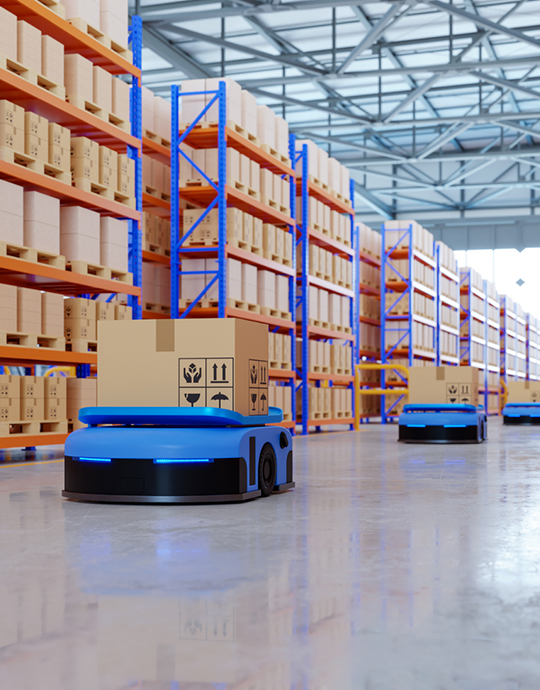
View More ⟶Build PWAs for production workflows, inventory management, equipment monitoring, quality control, and operational data access across devices.
View More ⟶Develop PWAs for farm management, crop monitoring, field data collection, equipment tracking, and agricultural workflows.
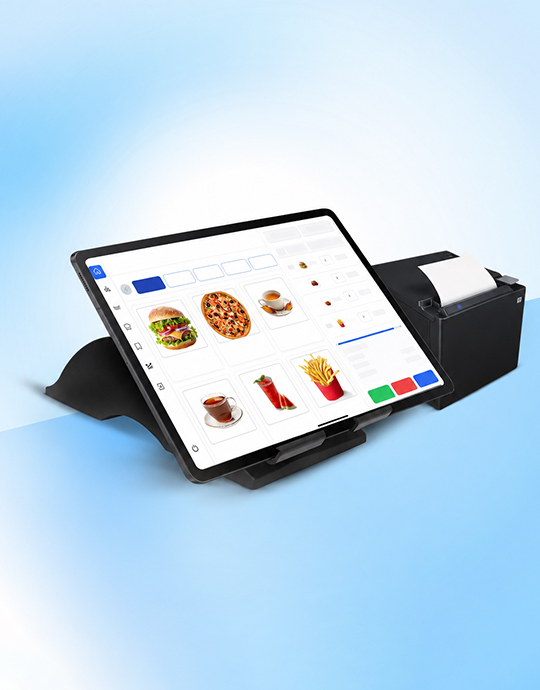
View More ⟶Create PWAs for online ordering, restaurant operations, delivery management, inventory, customer accounts, and food-service workflows.
View More ⟶Build web applications for booking, scheduling, fleet management, route tracking, and real-time operational data.
View More ⟶Create accessible learning platforms for courses, educational content, assessments, student accounts, and multi-device learning.
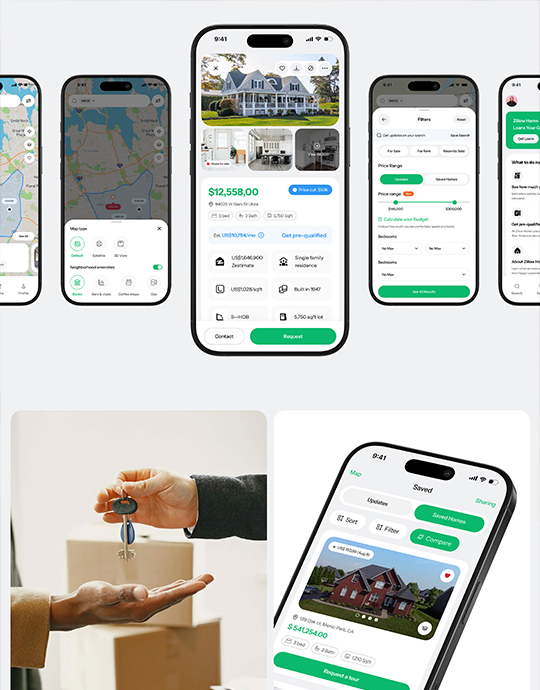
View More ⟶Develop property search platforms, listings, agent portals, property management workflows, and customer-facing real estate experiences.
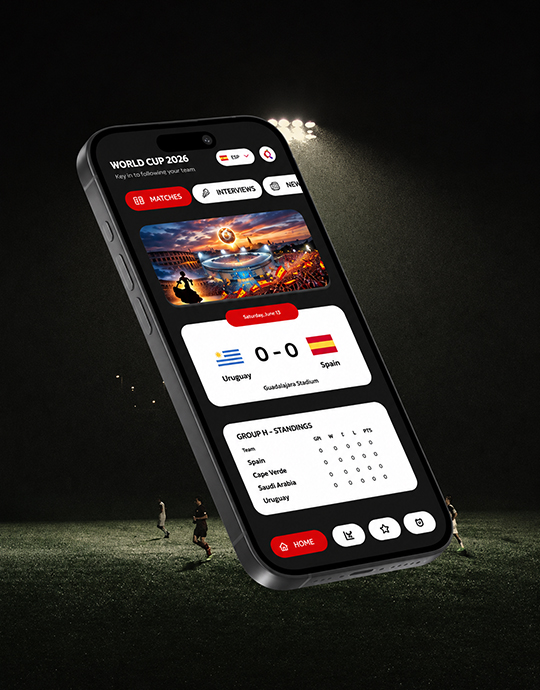
View More ⟶Build PWAs for team management, event registration, scheduling, scores, memberships, and fan engagement.
View More ⟶Develop web applications for vehicle listings, service scheduling, dealership operations, customer portals, and automotive workflows.
View More ⟶Create accessible platforms for student management, courses, assessments, educational resources, and institutional workflows.
View More ⟶Build financial dashboards, customer portals, payment experiences, and financial workflows with authentication, data protection, and required integrations.
View More ⟶Support shipment tracking, inventory workflows, fleet operations, field activities, and data collection across devices and network conditions.
View More ⟶Develop browser-based products with authentication, subscriptions, dashboards, workflows, integrations, and multi-device access.
View More ⟶


Choosing between a PWA, native application, and traditional web application depends on your product, users, distribution model, and technical requirements.
| Factor | Progressive Web App | Native App | Traditional Web App |
|---|---|---|---|
| Browser access | Yes | No | Yes |
| Installable experience | Yes, where supported | Yes | Usually no |
| Cross-platform reach | High | Requires platform-specific builds | High |
| Offline capabilities | Supported where implemented | Strong | Limited |
| Platform-specific capabilities | Browser/platform dependent | Highest | More limited |
| App-store distribution | Optional/depends on platform | Core distribution channel | Not required |
| Web discoverability | Strong potential | Limited | Strong potential |
| Best suited for | Web-first application experiences | Deep device integration | Browser-based applications |
Swipe horizontally to compare all options.
Get a PWA solution aligned with your product goals, technical requirements, and users. Hire a progressive web app developer to turn your requirements into a reliable, app-like web experience.
Start Your PWA Project →Submit your details and our team will reach out to discuss how we can bring your app or software idea to life.
Your request has been successfully submitted. Our team will be in touch with you shortly.
This window will close automatically.